
BCEN Learn Live Las Vegas Speakers
Meet the Emergency Nursing Experts
Read speaker bios and CE session titles from the emergency and critical care experts speaking at BCEN Learn Live Las Vegas, July 21-23, 2026!

Keynote Speaker Angela Gargano
Be the FIRST: How to Take Bold, Intentional Steps Through Uncertainty & Redefine What’s Possible
Be the FIRST is a high-energy keynote where Angela Gargano empowers audiences to step beyond fear and do something they’ve never done before. “Being the first” isn’t about being the strongest, smartest, or most experienced. It’s about having the courage, discipline, and mindset to take that very first step into the unknown and navigate what Angela calls “the hallway in between”—the messy, uncertain space between where you are and where you want to be.
Inspired by her own journey from biochemist to 6x American Ninja Warrior, including the moment she tore her ACL on national television and rebuilt everything from the ground up, Angela shares the powerful lessons behind her FIRST Framework, a system designed to unlock what she calls the Hallway Keys: the practical tools and mindset shifts needed to move through uncertainty with strength and purpose.
Through unforgettable storytelling and science-backed performance strategies, Angela shows leaders, teams, and high performers how to embrace change, reframe failure, and create unstoppable momentum, whether that’s sending a daring email, launching a bold project, or making an epic comeback after a setback.
Each attendee identifies one thing they’ve been hesitating to take action on, and by the end of the session, walks away with both the courage and a clear first step to move forward, with their own Hallway Keys in hand.
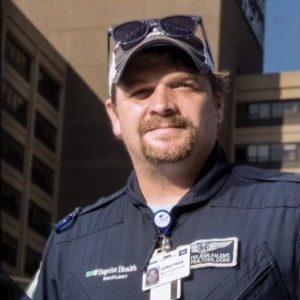
Jonathan Baxter, Ph.D (c), BSN, RN , NREMT-B, CEN, TCRN, CFRN, CCRN
The Transition Mission: Turning “Critical” into “Controlled”
Jonathan is the chief flight nurse for Baptist Health Critical Care Transport and a UAMS doctoral candidate researching the impact of EMS provider qualifications on patient outcomes. A 2025 “Great 100 Nurses in Arkansas” honoree, he serves as a state-level leader for the Arkansas Department of Health and the Emergency Nurses Association, and as an item writer for BCEN’s CFRN practice exam.
Session Description + Objectives
The transition of a critically ill patient—whether a short trip to CT, a move from the ED to the ICU, or a high-stakes inter-facility transfer—represents one of the most vulnerable periods in clinical care. This session explores the “Critical Pause,” focusing on the necessity of comprehensive stabilization before the move begins. Participants will learn to formulate targeted interventions to prevent clinical decompensation, ensuring that medical motion never compromises medical integrity.
- Perform comprehensive clinical risk assessments to determine patient readiness for transition between emergency departments, critical care units, and ancillary services.
- Evaluate the risk-benefit profile of patient transport, accounting for the inherent limitations of care and monitoring during intra-facility and inter-facility transitions.
- Formulate targeted stabilization strategies and preemptive interventions to mitigate clinical decompensation during high-risk patient transfers.

Hollye Briggs, MSN, RN, CEN, CPEN, TCRN
All In on Learning: Gamification Strategies to Level Up in Nursing
Hollye Briggs is a professional development specialist at the Board of Certification for Emergency Nursing. Her experience in emergency, pediatric, and trauma nursing has taught Hollye to find learning opportunities in every moment. As a supportive, enthusiastic mentor and leader, Hollye leverages strategy and critical thinking to turn mundane study tactics into engaging and effective learning games.
Session Description + Objectives
Preparing for nursing certification can feel like a high-stakes game—but with the right strategy, everyone can win. This high-energy, Vegas-themed session puts participants all in on learning by transforming certification content into an interactive, gamified experience. Actively engage in challenges designed to boost motivation, deepen understanding, and improve retention of key concepts—this hands-on experience proves learning can be both effective and fun. Place your bets, join the action, and get ready to level up your certification game.
- Participate in certification-focused nursing education using interactive gamification strategies.
- Apply gamified learning techniques to reinforce and expand nursing certification knowledge.
- Explain how gamification enhances learner engagement, motivation, and content retention in professional nursing education.
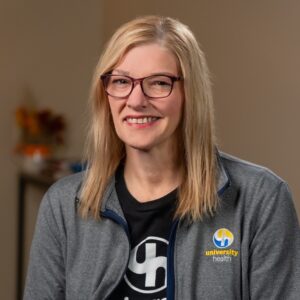
Gretchen Brown Carroll, BSN, RN, CEN, TCRN
The Other Side of the Tragedy
Gretchen Brown Carroll is a seasoned emergency nurse and Level I trauma expert with over 20 years of experience, including roles as an ED supervisor and educator for critical care skills. As the parent of a mass shooting victim, she combines her clinical expertise with a unique, raw perspective to challenge fellow emergency nurses on trauma-informed family care, moral injury, and compassion fatigue during sudden, tragic loss.
Session Description + Objectives
A CEN and TCRN and parent of Leah, a 22-year-old victim of a mass shooting, Gretchen shares her raw, critical perspective from the “other side” of the medical response and identification process. This unique session challenges emergency nurses to radically re-examine family care during high-acuity events where loss is immediate. Learn specific, trauma-informed communication strategies and evaluate crucial self-care mechanisms to combat compassion fatigue and moral injury associated with caring for victims and their families in sudden, tragic loss scenarios.
- Analyze the unique emotional and psychological burdens experienced by healthcare provider-parents when their child becomes a victim in the healthcare system they serve, facilitating a deeper empathy for the patient’s family unit.
- Evaluate their own professional practice to integrate two actionable, evidence-based coping mechanisms designed to mitigate compassion fatigue and moral injury associated with caring for child victims in high-acuity trauma settings.
- Demonstrate effective, trauma-informed communication by correctly applying at least two de-escalation or empathetic presence techniques when communicating with traumatized family members of a victim in a high-acuity, fast-paced emergency setting.
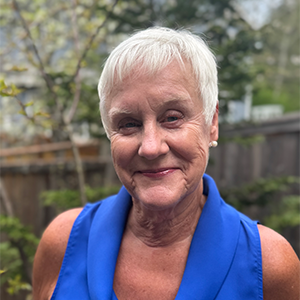
Gretchen J. Carrougher, MN, RN, CBRN
Burn Resuscitation 101: Name That Burn Size
Gretchen Carrougher is a research nurse supervisor for the UW Medicine Regional Burn Center in Seattle, WA. Gretchen has worked as a staff RN, burn/plastic surgery clinical nurse specialist, and research nurse during her 44-year burn nursing career. Her research interests are focused on pain and itch management, long-term recovery, delirium prevention, and employment after burn injury.
Session Description + Objectives
Using real-life case examples, participants will estimate burn size and identify pre-hospital and ED fluid resuscitation rates based on American Burn Association guidelines.
- List the current ABA pre-hospital guidelines for fluid resuscitation for those sustaining a major burn injury.
- Describe three techniques commonly used to estimate burn size in both children and adults.
- Identify initial intravenous fluid rates based on burn size estimations.

Roger Casey, MSN, RN, CEN, TCRN, FAEN
Blunt Force Emesis: When Cannabis Causes Chaos in the ER
Roger Casey is a night shift charge nurse at a free standing ED in southeast Washington State. He has over 35 years of emergency, trauma and critical care nursing experience. He blends education with a sense of humor to help better understand complex issues.
Session Description + Objectives
When ‘weed and feed’ turns into ‘weed and heave,’ you know you’re in for a challenge to make the patient feel better. This session will take a look at Cannabinoid Hyperemesis Syndrome (CHS) and how to to help your chillest patient find relief when they can’t stop vomiting.
- Compare and Contrast Cannabinoid Hyperemsis Syndrome (CHS) with Cyclic Vomiting Syndrome (CVS).
- Identify current treatment options for patients with CHS.
- Evaluate effectiveness of treatment in patients with CHS.

Kim Colegrove, Author and Owner of Pause First Academy
The Power to Pause: Training Your Nervous System for Everyday Stress Resilience
Kim Colegrove is an international speaker and the author of Mindfulness for Warriors, The Mindfulness for Warriors Handbook, and Wellness Warrior Style. She’s also the founder of Pause First Academy—an organization that provides online and in-person wellness and resilience training and support for society’s warriors, protectors, guardians, and healers.
Session Description + Objectives
This session explores the physiological impact of chronic stress and trauma exposure on the brain and body. Participants will be encouraged to consider their own mental and emotional load, and will leave with simple, evidence-based daily practices to strengthen stress resilience and improve professional and personal well-being.
- Identify the cumulative and often invisible mental and emotional load associated with exposure stress and trauma.
- Describe how stress and trauma affect mental, emotional, and physical health.
- Apply simple, practical, science-backed, self-care practices to support daily stress resilience and better overall wellbeing.
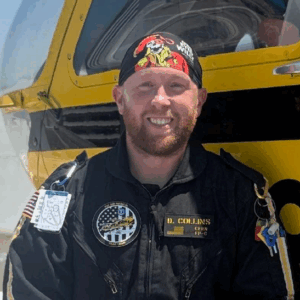
Derek Collins, BSN, RN, C-NPT, CFRN, CEN, CTRN, TCRN, FP-C
When the Patient Surprises You: Insights into Pediatric DKA Management
Derek Collins is a dynamic and highly experienced critical care clinician with over 15 years of progressive prehospital and hospital-based experience, spanning roles from EMT and paramedic to flight paramedic, emergency room RN, and flight nurse. He currently serves as a neonatal/pediatric flight nurse, providing advanced care in high-acuity transport settings.
Session Description + Objectives
This presentation looks at the care of a pediatric patient with diabetic ketoacidosis (DKA) whose case began as routine but quickly moved outside standard treatment protocols. It highlights the importance of recognizing when a patient’s response requires individualized care and emphasizes listening to how younger patients describe how they feel and express their symptoms.
- Recognize the unique challenges in managing diabetic ketoacidosis (DKA) in adolescents with comorbid endocrine disorders.
- Describe the principles and practical application of the two-bag (Dextrose/Saline) system in pediatric DKA.
- Identify, monitor, and manage complications of DKA therapy.

Kevin Cook & Jill Sproul, MS, RN
The Strength of Hope
Kevin and Jill are both burn survivors, brought together by the life-changing impact of surviving a burn injury. After her injury as a child in 1972, Jill became a burn nurse. Kevin was burned in a work-related accident, which ended his first marriage.
Session Description + Objectives
This session will highlight Kevin and Jill’s individual lived experiences as survivors, as well as their shared journey of love, hope, and happily ever after. This session offers deep insights into the complexity of navigating life after a burn injury.
- Attendees will gain insight into the challenges experienced by burn survivors post injury.
- Attendees will learn about interventions and resources that help burn survivors post injury.
- Learn new ways to build resilience and navigate difficult situations.

Michael Dexter, MSN, MBA, RN, EMT, CEN, CFRN, CPEN, CTRN, TCRN, CCRN, CNL
The Humanity of Healthcare: Developing Professional Growth and Fostering Connections
Michael Dexter is the director of professional development at the Board of Certification for Emergency Nursing. Having worked emergency, transport, and cardiac care areas, Michael uses his experiences to tie clinical conditions together across the entire emergency care spectrum and is a strong proponent of improved caregiver communication practices and professional development.
Session Description + Objectives
Emergency nursing challenges us physically, mentally, and emotionally. This session explores the role of communication, mentorship, and encouragement in shaping professional growth and career trajectories. Through real-life examples, attendees will examine how meaningful interactions between colleagues and patients can profoundly influence confidence, resilience, and long-term success. Participants will leave with strategies to foster connection, support growth in others, and sustain the humanity of healthcare.
- Identify key areas to improve communication techniques amongst patients and caregivers.
- Recognize opportunities for professional growth and development within the profession.
- Develop goals and action items for fostering growth in others through mentorship, education, or professional support.

Nyssa Hattaway, BA, BS, RN, CEN, CPEN, CFRN
Family Presence at the Bedside During Resuscitation
With over a decade of flight nursing experience, Nyssa Hattaway provides care in the south Atlanta area and co-hosts two podcasts: The Q Word Podcast for Emergency Nurses, and AMPED Podcast: Case Studies from the Flight Industry.
Session Description + Objectives
Family presence during resuscitation and transport can strengthen trust, reduce long-term psychological harm, and improve the family’s understanding of what happened. But when it’s handled poorly, it can create chaos and potentially make a bad day much worse. This session cuts through the myths and offers evidence-based strategies to help ER, ICU, and flight teams include families safely, without compromising patient care.
- Identify three evidence-supported benefits and two key risks of family presence during resuscitation in ER, ICU, and air-medical settings.
- Apply a screening tool to determine whether a caregiver is appropriate for bedside or transport inclusion, even in high-acuity or resource-limited environments.
- Differentiate common misconceptions about family presence during resuscitation and transport from evidence-based practices.

Bruce Hoffman, EdD(c), MSN-RN, CFRN, FP-C, CCP-C, C-NPT
The Pentad Truths of AMAX4: Prioritizing Processes for Challenging Resuscitations
Bruce is a critical care registered nurse and paramedic whose clinical background includes the ICU, ER, trauma, cardiology, and critical care transport/flight. He holds graduate degrees in education and advanced practice. He resides with his wife and three kids in North Central CT.
Session Description + Objectives
This session introduces AMAX4, a structured resuscitation framework designed to improve survival in patients experiencing severe anaphylaxis or asthma-related hypoxemia. Developed from the AMAX4 initiative by Dr. Ben McKenzie, the model emphasizes five essential priorities to prevent hypoxic brain injury. Participants will explore the intersection of physiology, performance, and decision-making during high-stakes clinical events. This session equips clinicians with the knowledge and confidence to apply AMAX4 principles, optimize airway management, and improve outcomes in the most challenging resuscitations.
- Define and describe anaphylaxis, asthma and AMAX4.
- Compare and contrast the five core concepts of AMAX4.
- Recognize the role and benefit of utilizing the AMAX4 algorithm.

Carly Johnson, BSN, RN, CPEN, TCRN, CCRN
Hot and Bothered: From Heat Exposure to Multi-System Failure
Carly has been a night shift nurse in the pediatric emergency department for several years, and now works in one of the busiest pediatric emergency departments in the country. Working at the bedside every shift, Carly consistently learns and practices pediatric emergency medicine as personably and efficiently as possible.
Session Description + Objectives
When a teenage athlete comes to the emergency department from his summer practice with leg cramps, the answer may seem obvious. But as the patient sits in the emergency department and waits for disposition, how does the bedside nurse recognize that he is declining? What is the team looking for, and what would we do if that happens? Is he medically an adult or a child? Heat exposure is common; rhabdomyolysis has a well-documented treatment plan; but when the body doesn’t respond to basic treatment, the complications can catastrophically impact multiple systems.
The intention of this presentation is to understand what exactly is happening in this body, recognize clinical symptoms of decline (without relying solely on lab work), then escalate and intervene when the patient needs more support.
- Recognize the danger of heat exposure and understand the cascade of muscle injury to a cardiac event.
- Assess for worsening clinical symptoms of rhabdomyolysis and cardiac involvement.
- Intervene according to patient’s size, age, and designated protocols to best support complex multi-system failure.

Special Agent Tieara Jones, FBI
Human Trafficking and Exploitation: Always Look Beneath the Surface
Tieara Jones is a special agent with the Federal Bureau of Investigation at the Las Vegas Field Office.
Session Description + Objectives
As the agency tasked with combating human trafficking across the United States, the FBI are leading experts on the unique challenges that trafficked and exploited persons face. Get informed on the latest trends and developments in human trafficking from an active FBI agent, and be prepared to both recognize and respond to human trafficking in the healthcare setting.
- Identify the latest trends in human trafficking across the U.S.
- Develop pathways to care for adults and pediatric patients being trafficked.
- Recognize various resources available for victims of human trafficking.
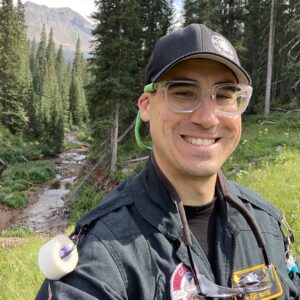
Zachary Kermitz, BSN, RN, CEN, CCRN, CFRN, CPEN
Like Peanut Butter & Chocolate: Pairing Sedation and Analgesia in Mechanical Ventilation
Zachary Kermitz is a flight nurse supervisor with Intermountain Health in the Four Corners region of the US. He has a background in EMS, ground critical care transport, ER, ICU and flight nursing. Even though he is a CFRN, CEN, CPEN and CCRN he seeks to never forget where he came from – rural EMS.
Session Description + Objectives
Recent studies highlight the nightmarish experiences of patients undergoing mechanical ventilation with inadequate sedation and analgesia. As ER nurses are increasingly called upon to care for ICU boarders, we must understand the importance of sedation AND analgesia in these patients. This presentation will highlight the importance of providing both classes of medications, the advantages and disadvantages of commonly used agents, and how to optimize their management.
- Learners will understand the necessity of providing both sedation and analgesia to mechanically ventilated patients.
- Learners will understand the differences between sedative agents and analgesics utilized in mechanically ventilated patients.
- Learners will understand how to choose appropriate sedation and analgesia packages for patients depending on the underlying pathology.

Erin Montgomery, BSN, RN, CCRN
Bridging Readiness Gaps: How Simulation and Mentorship Strengthen Pediatric Emergency Care
Erin Montgomery is the project director for ImPACTS. Having worked critical care transport and pediatric critical care areas, Erin uses her experiences to put pediatric readiness in the emergency department into practice to ensure every child in the US receives the highest quality of emergency care.
Putting Pediatric Readiness Into Practice (Pre-Conference Session – 3.5 CE)
Session Description + Objectives
This presentation will provide emergency nurses with a focused overview of the National Pediatric Readiness Project (NPRP) and highlight the essential elements that most directly impact frontline nursing practice and readiness to care for children in the ED. Attendees will be introduced to SimBox, an open-access simulation platform that supports quick, practical, and repeatable pediatric training without the need for high-resource equipment. Participants will also learn how brief simulation encounters can uncover system-level gaps and how nurses can translate these findings into realistic improvement strategies that elevate pediatric readiness across their departments. This concise talk equips nurses with actionable tools and insights they can bring back to their practice immediately.
- Describe key components of the National Pediatric Readiness Project (NPRP) and articulate how emergency nurses play a critical role in achieving and sustaining pediatric-ready care, including the role of the Pediatric Emergency Care Coordinator (PECC).
- Utilize the SimBox platform to support nurse-led pediatric education, including facilitating scenario-based learning, reinforcing high-priority clinical skills, and promoting inter-professional team preparedness.
- Identify system and workflow gaps affecting pediatric emergency care through simulation exercises and propose practical, nurse-driven strategies to close these gaps and strengthen pediatric readiness within participants’ own departments.

Jana Price, MBA, BSN, BA, RN, CEN, TCRN
The Power to Protect: Inspiring Nurses to Stand Against Violence
Jana Price is the senior clinical director of Sentinel Medical Technologies, CEO of Upturn Nursing and podcast host at Nurse.org. With 10 years of nursing experience in various specialties, Jana applies her bedside skill into various facets of the medical device industry and nursing innovation while also advocating against injustices that nurses face daily.
Session Description + Objectives
This session will focus on removing the fear of nurses telling their stories about violence (using examples from Nurse.org podcast of nurses Jana has interviewed), how their position as a RN in any capacity is valuable in helping to bring awareness to ending violence in nursing, and how leveraging their experience and education has a profound purpose in ending violence in healthcare.
- Power in your story: Nurses who tell their stories of experience with violence of fear of violence (near misses) find the strength within themselves and strength with other similar stories to persevere.
- Power in your position: New grad to experienced nurse, every RN has the right to be protected at work. Discuss how to leverage your license to protect yourself as not only a nurse, but a human in the workplace.
- Power in your purpose: Nurses have far more power in their purpose that just healing those in their care. All pillars of nursing—compassion, competency, caring, commitment—come together here to provide the framework needed to create meaningful change in the fight against healthcare violence.

Jill Rable, MSN-ED, RN, AFN-BC, SANE-A, SANE-P
Beyond SANE: Incorporating Forensic Nursing into Trauma Care
Jill Rable is the senior clinical director of HonorHealth Emergency and Trauma Services, a Level I Trauma Center, and oversees Arizona’s largest forensic nursing program. Jill’s passion for caring for vulnerable populations, clinical nursing skills and leadership experience across pediatrics, emergency and trauma services, and forensic nursing informs her commitment and to strengthen systems and improving patient outcomes.
Session Description + Objectives
This session highlights the transition from a community-based SANE program to a comprehensive forensic nursing service within a Level I Trauma Center emergency department.
- Describe the evolution of a community-based SANE program into a comprehensive forensic nursing service embedded within a Level I Trauma Center ED.
- Identify how core forensic nursing principles—evidence recognition, preservation, documentation, and trauma-informed care—integrate into high acuity emergency and trauma workflows beyond traditional sexual assault response.
- Demonstrate strategies for incorporating forensic nursing expertise into Level I Trauma Center operations, improving response to complex violence-related cases, enhancing continuity of care, and strengthening medico-legal outcomes across the organization.

Jacki Roland, MSN, RN, CEN, TCRN, CPEN
Silent Collapse: Recognizing the Hidden Dangers of Chest Trauma
Jacki Roland is a clinical nurse educator and military instructor with over 15 years of nursing experience and 17 years of military service. She specializes in emergency and trauma care and is passionate about translating clinical expertise into meaningful, frontline-ready education. For more than eight years, Jacki has spoken to diverse audiences—including international, multidisciplinary teams—but she is especially energized by presenting to emergency nurses. Known for her engaging and practical approach, Jacki strives to make learning fun, impactful, and immediately applicable to real-world practice.
Session Description + Objectives
In an age of monitors, alarms, and digital dashboards, it’s easy to forget that the most powerful assessment tools in trauma care are still the nurse’s eyes, ears, and stethoscope. This talk explores how subtle changes in patient presentation—minute shifts in breathing pattern, tone, or chest movement—can signal the onset of life-threatening chest injuries long before technology detects them. Through vivid case examples and real-time decision challenges, participants will rediscover the art and science of early recognition in thoracic trauma. Designed to empower both new and experienced nurses, this session emphasizes intuition, critical thinking, and timely intervention—the skills that truly save lives before the monitor ever alarms.
- Recognize subtle clinical cues and physical assessment findings that indicate evolving pneumothorax, hemothorax, or tension physiology before technological detection.
- Apply nursing intuition and bedside assessment techniques—such as auscultation and visual inspection—to identify early signs of deterioration in patients with chest trauma.
- Demonstrate effective communication and escalation strategies to initiate timely intervention and prevent “silent collapse” in the trauma bay.
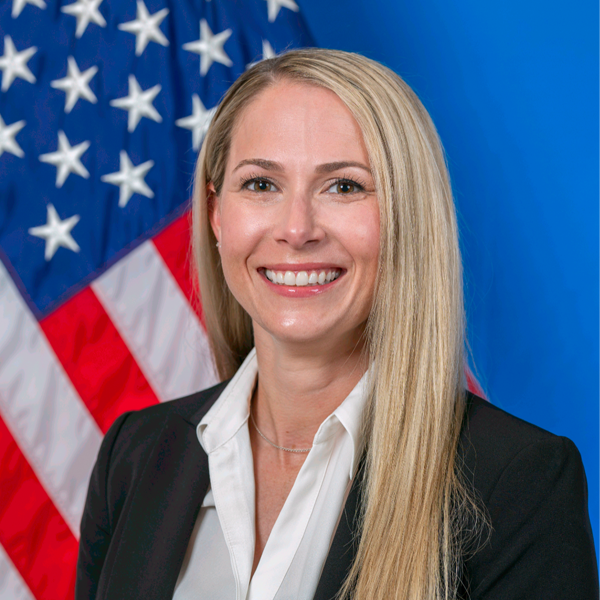
Special Agent Shelby Schweitz, FBI
Human Trafficking and Exploitation: Always Look Beneath the Surface
Special Agent Shelby Schweitz is assigned to the FBI Las Vegas Field Office, where she investigates Violent Crimes Against Children, including human trafficking. Before joining the FBI, she spent more than 13 years as a Registered Nurse and board-certified Family Nurse Practitioner specializing in emergency and trauma care. Shelby combines her clinical expertise with investigative experience to educate healthcare professionals on recognizing human trafficking, implementing trauma-informed care, and strengthening collaboration between healthcare and law enforcement to improve victim identification and outcomes.
Session Description + Objectives
As the agency tasked with combating human trafficking across the United States, the FBI are leading experts on the unique challenges that trafficked and exploited persons face. Get informed on the latest trends and developments in human trafficking from an active FBI agent, and be prepared to both recognize and respond to human trafficking in the healthcare setting.
- Identify the latest trends in human trafficking across the U.S.
- Develop pathways to care for adults and pediatric patients being trafficked.
- Recognize various resources available for victims of human trafficking.

Rebecca Steinmann, MS, RN, CEN, CPEN, TCRN, CCRN, FAEN
Confessions of an Adrenaline Junkie: Lessons Learned Over 40+ Years
Rebecca Steinmann is an AHA instructor for the Cleveland Clinic Foundation. Having worked in emergency care for over four decades, Rebecca has seen the evolution of practice and gained insights to share along the journey.
Session Description + Objectives
This session will review factors that have significantly impacted emergency care and the hard-earned lessons learned over forty years at the stretcher-side.
- Describe factors that have significantly impacted emergency care over the decades.
- Reflect on the presented lessons learned over four decades of emergency nursing.
- Identify how these lessons can be applied to your practice.
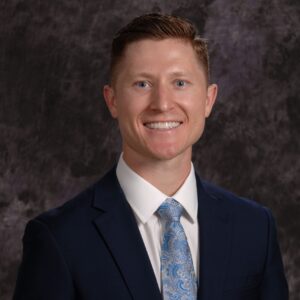
Chris Trosclair, MD
Invasive Hemodynamic Monitoring
Chris Trosclair is a board-certified critical care and emergency medicine physician focused on advanced cardiopulmonary support in the critically ill. As the director of ECMO at Willis-Knighton Health System, his clinical interests center on mechanical circulatory support and helping patients and families achieve meaningful recovery aligned with their goals.
Session Description + Objectives
This session explores invasive hemodynamic monitoring, highlighting assessment and data interpretation to facilitate care in the crashing patient.
- Identify the need for, and steps to complete, an appropriate arterial line setup.
- Differentiate true physiologic changes versus false readings.
- Examine data trends in invasive hemodynamic monitoring.

Allen Wolfe, MSN, CNS, APRN, CFRN, CCRN, CTRN, TCRN, CMTE, FAASTN
The Plane, The Patients, The Aftermath: A 3-Sided Approach to Disaster Response
With forty years’ experience in nursing and over fifteen years of volunteer service with BCEN, including a term as chairperson on the board of directors, Allen is a highly respected leader in the critical care transport nursing space. He is the senior director of clinical education and a critical care clinical nurse specialist at Life Link III, a leading expert in the prehospital management of LVADs, and a published author and editor. Allen’s session delves into his lived experience of dropping everything and providing care for all Pentagon patients in the throes of a national crisis.
Session Description + Objectives
“On the morning of September 11, 2001, I watched the final moments of a commercial airliner before it struck the Pentagon—an image that would define the day and my career. Drawn to the scene in the minutes after impact, I witnessed the destruction firsthand before returning to the trauma center, where the most critically injured survivors began to arrive. It was there, in the controlled chaos of emergency care, that theory met reality.”
This lecture offers emergency nurses a three-sided perspective: eyewitness to a national tragedy, responder on the Pentagon grounds, and trauma center clinician caring for the most severely injured patients. Through detailed case studies, we will examine rapid clinical decision-making, shifts in triage priorities, communication challenges, and the emotional and ethical pressures placed on nurses during large-scale disasters. Emergency nurses will gain practical insights into future planning, preparedness, interagency coordination, and how frontline nursing leadership anchors patient care when systems are pushed to their limits.
- Identify key clinical and operational challenges faced during the Pentagon response and how they apply to modern emergency nursing.
- Examine trauma center case studies from 9/11 to highlight critical decision-making and triage principles.
- Apply core disaster preparedness and communication strategies to improve readiness for future mass casualty events.