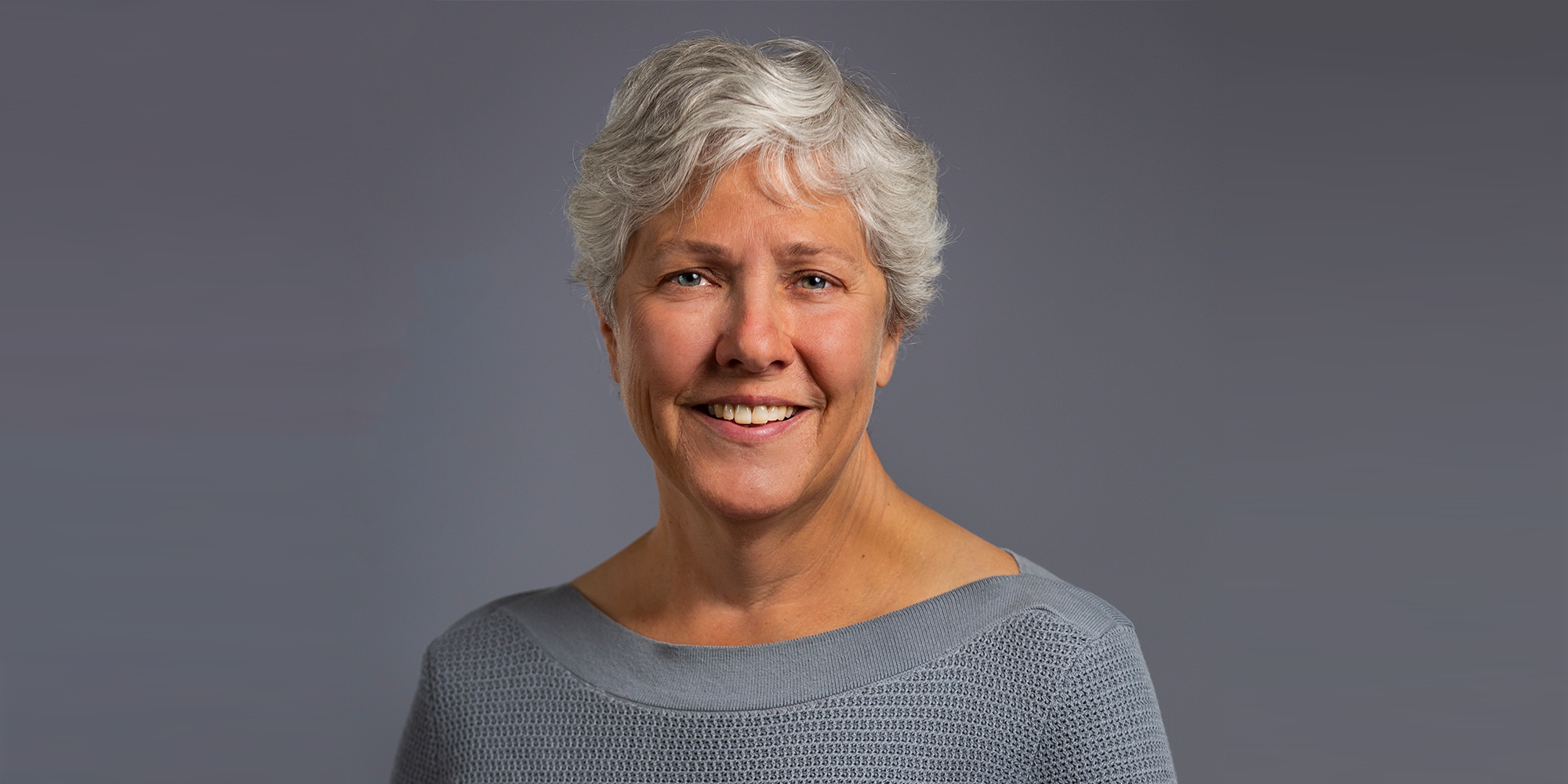
Meet Julie Ruddy, BCEN’s New Board of Directors Chairperson
Get to know 2026-2027 BCEN board of directors chair Julie Ruddy, BS, RN, CEN, CPEN, TCRN, and learn how a career built on curiosity, taking on challenges, and continuous learning has shaped her leadership and clinical perspectives.
Julie shares personal insights, advice for new nurses, and reflects on bedside confidence, patient-centered care, and BCEN’s evolving role in equipping nurses to grow, adapt, and deliver excellence.
Tell us how you became a nurse and chose your specialty.
When I was in high school, I had a friend who was volunteering at our community hospital, and she invited me to come with her. We were “candy stripers.” Back then we had a lot of interactions with the patients, which was really rewarding, and I just fell in love with the hospital. I went to nursing school, and my first job was on a med-surg unit working the evening shift. A few years later, I ended up spending a good bit of time in the emergency room while working on the IV team at my local hospital. I just knew that’s where I wanted to be. It took me a few years, but I got there.
What has nursing taught you about yourself?
Back in nursing school when I was taking my psychology class, one thing my instructor Mrs. Black taught that really stuck with me is that you can accept a person, but you don’t have to accept their behavior. I’ve carried that with me throughout my career and my personal life. In nursing—and especially in emergency nursing—you’re coming across people at the absolute worst times of their life, when they’re most stressed, and they can act out. But I always come back to the fact that I can accept them, have compassion for them, and care for them, and I can also set limits with them and let them know when their behavior is not appropriate. It’s not easy to do, but it has been really big.
The other thing is active listening. If you actively listen to what your patients and their families are telling you, which can be really hard, especially in the ER, you can learn so much more than you would from making a quick judgment or from what testing might confirm.
When you think about the nurses you serve through BCEN, what gives you the greatest sense of purpose?
I believe that BCEN’s purpose and my purpose is to make sure that nurses have the tools they need to grow in their profession, to learn, and to be everything they can be. I am passionate about making sure that we can provide the best certification experience and the best educational experience to help nurses grow.
If you were sitting down with a nurse just starting out in any of the emergency nursing specialties, what would you tell them, nurse to nurse?
I would tell them to be kind to themselves and give themselves a break. It’s been my experience, starting with myself, that new nurses expect to be at the top of their game right away. I tell nurses it takes two years in the emergency room to start to feel confident. And even after being in the emergency room for over 30 years, I would sometimes walk into a room and it would take everything I had to keep myself calm and tap into my confidence.
What brings that confidence—knowing that you will be able to take care of any type of situation—is keeping yourself educated, and part of that is certification. The more you study, the better off you are. For me it was pediatrics. I was terrified of kids when I first started in the emergency room. So, I bought a pediatric textbook and kept it on my end table. When I got home, I would read up on whatever pediatric case I had seen that day. Next thing I know, it’s a year later and my colleagues are coming to me, asking me questions about pediatrics. How did I get to be the expert? It was conquering that fear and lack of knowledge by keeping my face in a book.
How has specialty certification influenced your professional growth?
My first certification was in IV therapy, and my mode for choosing it wasn’t exactly stellar—it was almost out of revenge. One afternoon, I asked a question about an IV device a patient was on, and I was told I didn’t need to know about that—which just about set my hair on fire!
I had just found out about the infusion certification, so I took a year to study and passed it. In the beginning, I imagined coming to work knowing all this stuff, but in that year of studying and learning and growing, I felt like I blossomed. When you gain more knowledge, you have confidence; and when you have more confidence, you can act and make better decisions. Later on, when I became house supervisor, I got the med-surg certification because I wanted to be an example for the nurses I was leading.
When I went to work in the emergency room, I pursued my CEN, and it gave me the confidence that I had the tools and the knowledge to be successful for my patients and for myself. And then earning the CPEN and TCRN naturally fell into place as my career went along, because professional certification has always kept me grounded.
The nurses who are certified through BCEN all work in high-stakes environments. How does a certification support nurses in those kinds of roles?
Demanding roles are invigorating. I think that when a nurse has specialty knowledge, and the confidence that comes with that knowledge, it lessens the negative stress because they know they can anticipate what’s going to happen next. It also accentuates the positive experiences nurses have when they care for their patients—and that’s the fun part!
What responsibility does a certification board have to nurses throughout their careers, and how does BCEN try to live up to that?
Specialty certification is not a once and done thing; it’s something that needs to be renewed every four years. BCEN is responsible for maintaining the highest standards in our certifications—so they are current, evidence-based and meaningful, giving validation to the nurses’ knowledge. It is a recognition that needs to be earned, so it really needs to mean something.
Recertification is the same. Even though nurses can renew with credits, you need 100 and they need to be good quality. When BCEN heard from our nurses that they weren’t able to find quality continuing education in their specialty, we launched the BCEN Learn platform to help nurses continue to grow and learn and so they can maintain their hard-earned certifications.
What are you most excited about or looking forward to as BCEN’s new board chairperson?
Well, I am excited to have more nurses become certified. All six of our certifications are growing, and that’s really important because it’s crucial to have more certified nurses. Last year, for the first time, BCEN awarded professional development scholarships for nurses to obtain their certification or their recertification, and I’m excited to see that continue.
What is special or unique about BCEN and the BCEN community of certified nurses?
One thing I like about BCEN is our focus on helping nurses become better. We are here to help nurses grow, expand their knowledge, and become better nurses for themselves and for their patients.
When you become a certified nurse, you have confidence and you can ask the harder questions. If you have a question or if something doesn’t seem right, you can approach physicians or caregivers and have an open discussion. Certified nurses are in a continuous learning mode, and colleagues recognize and respect them as someone who has obviously worked hard, studied, and has a credential. Our certified nurses are also mentors, trusted advisors, and resource nurses. That’s an added benefit to being certified—and it’s really wonderful to see.
What message would you share with nurses who wonder whether certification really makes a difference in today’s healthcare environment?
Changes in health care are coming faster and faster and it is challenging. When a nurse becomes certified, they are proving their commitment to stay current—which is pivotal in today’s healthcare environment. And by being up-to-date, certified nurses can be the best advocates for their patients.
Thinking about the specialty areas you worked in most of your career—emergency and trauma—what challenges do today’s nurses face that are different from what you faced when you started out?
When I got out of nursing school in the early 1980s, the patients we were seeing in the ICU back then are now on the med-surg or observation floors. Medicine has advanced so much that many of the patients we care for today—who are far more critically ill and medically complex—would not have survived 40 years ago. People in the hospital environment today are really sick, and that’s a huge challenge for care teams.
At the same time, the expectations of nurses are also far greater. Because more responsibilities and decisions are on their plates, nurses need to know more and be prepared to act faster than ever before. When I first started in the ER, we had a mobile CAT scanner that came by every week, and you had to wait until the next weekday to get anything more than the most basic blood test results. Today, when labs come in, the nurse often sees them first and needs to react appropriately. Nurses truly are a more pivotal part of the team, and knowledgeable nurses are able to respond better.
What do you want certified nurses to know about how their voices and feedback help inform and shape BCEN’s decisions and priorities?
To me, BCEN is the certified nurse. That’s who we are. That’s who we represent. We welcome all feedback. Every comment is taken seriously, whether it’s positive or negative. We have customer service representatives available to help, and we always work toward the best possible solution. Feedback is how BCEN learns and becomes better, and that’s why we take every comment seriously.