
Your national specialty certification represents knowledge, commitment and expertise. Make sure people know about it.
Earning a national nursing certification is a significant professional achievement. It demonstrates that you have met rigorous standards and made a commitment to ongoing learning and professional development in your specialty.
But earning the credential is only part of the journey. Whether you are a newly certified nurse, a long-time credential holder, a certification candidate or a nurse leader supporting specialty certification, there are many ways to make the achievement visible and meaningful.
Here are 10 ways to showcase your board certification.
1. Put it where people see you: your name badge
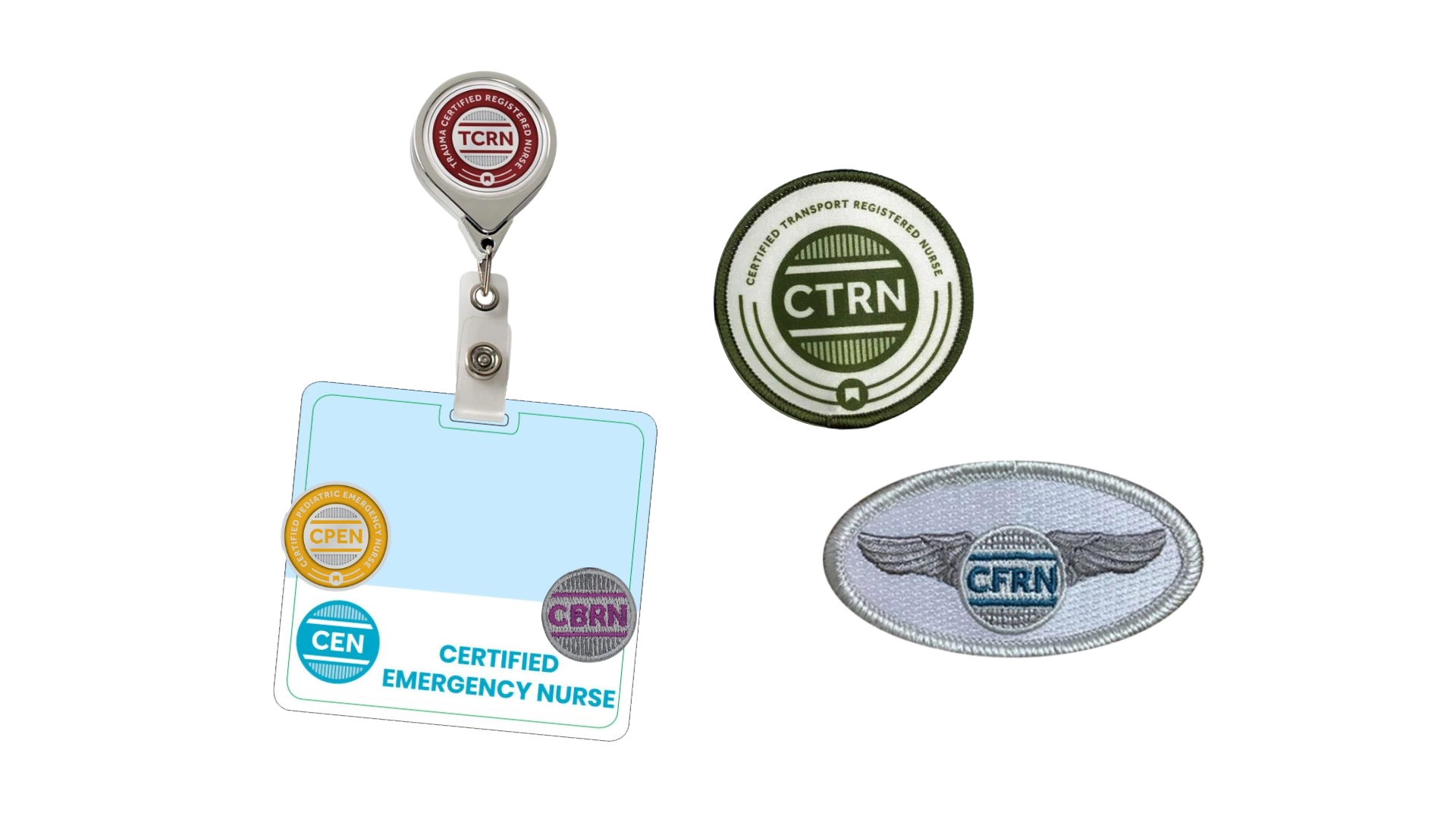
Wear your expertise. Your name badge is one of the simplest and most visible ways to showcase your specialty board certification. Update your badge to include your BCEN credential, and consider a badge holder, pin or patch that highlights your specialty certification.
2. Add it to your email signature
Let your credentials shine with every email.
List your professional credentials after your name in your email signature using the proper order: highest academic degree, licensure, state designations, national certifications, and honors and recognitions. For more information on listing credentials, see More to Explore at the end of this article.
Then, make your certification easy to see and learn more about by adding your BCEN digital badge to your signature block or just below it.
3. Sign your name with your credentials
Make your professional signature count.
Include your board credentials when signing professional communications, educational materials, presentations, project documents and other work that identifies you professionally. Consistently using your credentials helps others recognize your specialty expertise and the value of board certification.
4. Make it a defining qualification on your resume or CV
Don’t just list national specialty board certification among other things—position it to reflect the distinction.
Make your professional credentials easy to find and impossible to overlook. Feature them prominently rather than burying them among a long list of course-based credentials, certificates, and other qualifications.
Here are three easy ways to make your board certification stand out on your resume or CV:
📄 Include it in your professional summaryFeature your board certification near the top of your resume or CV, where employers and professional contacts are most likely to see it. For example, you might identify yourself as a board-certified emergency nurse or nationally board-certified specialty nurse in your professional summary. |
🌟 Create a separate section for national board certificationConsider creating a dedicated section titled National Board Certification or National Specialty Certification. Giving your board credentials their own section helps distinguish them from course-based credentials (e.g., BLS, ACLS, PALS, ENPC, and TNCC) |
🔝 If you list your certifications and other qualifications together, put board certification firstIf your resume or CV includes a combined section for certifications and other qualifications, make sure your national specialty board certification tops the list and is clearly identified so readers understand the distinction. |
5. Feature your certification on LinkedIn
Turn your professional profile into a credential showcase.
Highlight your specialty board certification and other professional credentials in the About section of your LinkedIn profile, and feature your BCEN digital badge in the Licenses & Certifications section. This makes it easy for colleagues, recruiters and potential employers to quickly recognize your specialty expertise—and helps your profile stand out when opportunities arise.
6. Share your credentials on other social media
If you post about your nursing specialty on social media, show what qualifies you to speak about it.
On professional social media channels beyond LinkedIn, consider including “board-certified RN” in your bio and listing your specialty credentials behind your name. When posting about professional topics, your certification helps provide context for your experience and expertise.
For guidance on navigating social media as a nurse, see More to Explore.
7. Put your certification in the spotlight when you share your expertise
When you present, teach, or write, let your credentials introduce you.
Whether you are speaking at a conference, presenting a poster, leading a webinar, writing a journal article or developing educational materials, make sure your board certification is visible. Include your credentials in your speaker or author bio and wherever your professional qualifications are featured.

8. Celebrate your certification—and help others celebrate theirs
Build a culture that celebrates nursing specialty certification.
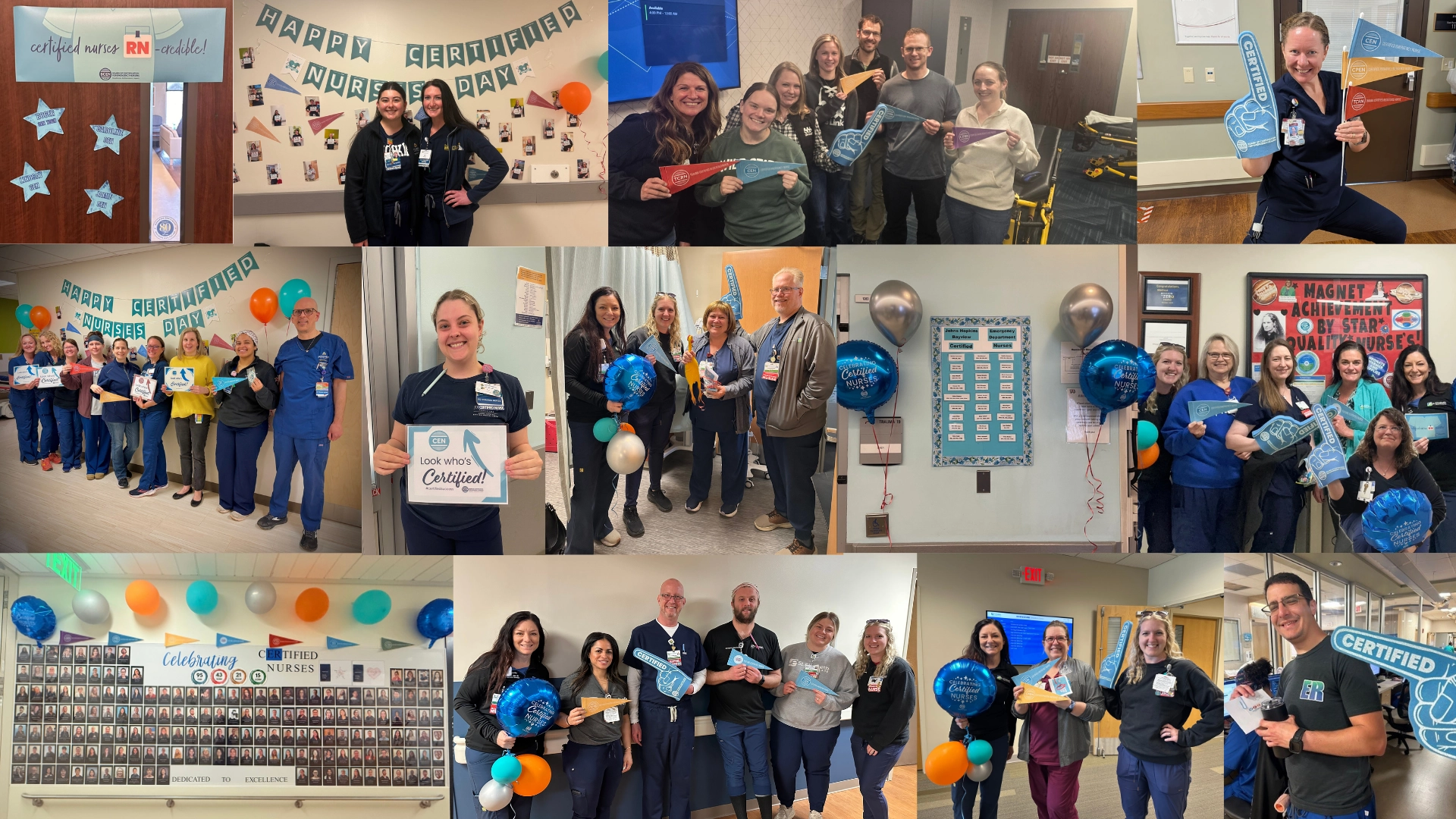
Celebrate when you earn your initial certification and again when you renew. Encourage your colleagues to celebrate their accomplishments too—and help create a culture where specialty certification is recognized and valued.
Share your achievement with your manager:
- When appropriate, you can forward your certification verification letter or provide the link to BCEN’s certification verification service.
- Encourage leaders to recognize certified nurses through certification celebrations and unit “walls of fame.” Download BCEN’s Nurse Recognition Kit for free celebration resources.
9. Mentor and inspire the next generation of certified nurses
Your example may be someone else’s reason to get certified.
Share your certification journey with colleagues who are considering specialty certification. Talk about what you learned, how certification has supported your professional growth, and what you would tell someone preparing to take the exam. Your experience can help make certification feel achievable for someone else.
10. Let your patients, families and community know
Your expertise matters beyond the hospital walls.
Specialty board certification is not only a professional accomplishment—it reflects a commitment to knowledge and expertise that can benefit the patients, families, and communities you serve. Look for appropriate opportunities to share what your nursing certification means and why specialty expertise matters in the care you provide.
Bottom line: Your certification is more than a credential.
National board certification is something you worked to earn. It represents your knowledge, dedication and commitment to your specialty.
Consistently using your professional credentials helps others recognize your specialty expertise and the value of board certification.
So don’t hide it in the fine print.
Wear it. Sign with it. Share it. Celebrate it. And use your example to inspire others to pursue specialty certification, too.
More to Explore
American Nurses Association (ANA): How to Display Your Credentials
Nurse.com blog: Best Way for Nurses to List Credentials
Navigating Social Media as a Nurse by Sarah Wells, MSN, RN, CEN, CNL